Common Sense is a Flower: A Designer’s Review
As an embroidery designer who spends more time staring at stitch charts than sleeping, I approach every new digital asset with a mix of curiosity and skepticism. The market is flooded with quote-based designs, but few manage to balance wit, visual clarity, and technical feasibility. That is why I decided to put Common Sense is a Flower through its paces. Designed by Caty Catherine, this SVG cut file and embroidery design offers a unique twist on the classic botanical motif, merging a sharp, relatable quote with organic imagery. This review explores how this piece performs in real-world applications, from custom apparel to boutique merchandise, helping you decide if it deserves a spot in your library.
First Impressions: Mood and Visual Personality
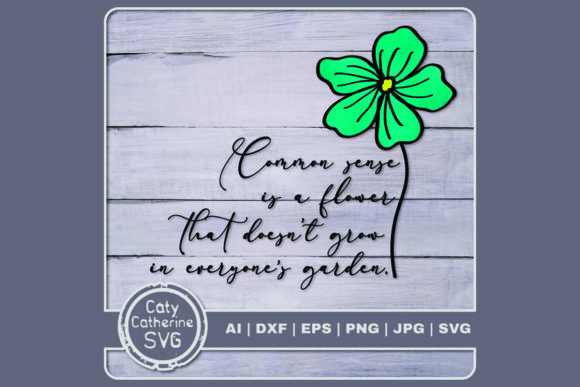
The immediate appeal of Common Sense is a Flower lies in its juxtaposition. It takes a concept that is often abstract—common sense—and grounds it in something tangible and beautiful: a flower. Visually, the design feels fresh and slightly rebellious without being aggressive. For the modern crafter or Etsy seller, this is gold. It speaks to a demographic that appreciates humor but wants their handmade products to look sophisticated, not cheesy.
In terms of layout, the text and the floral element need to work in harmony. From a design perspective, the challenge with quote-based embroidery is always legibility. If the letters are too ornate, they lose readability; if they are too simple, they lose character. This design seems to strike a balance, suggesting that the typography is clean enough for machine stitching while the flower adds the necessary softness. It creates a mood that is both empowering and gentle, making it suitable for a wide range of personal and commercial projects.
Real-World Application: Where Does It Fit?
I evaluated Common Sense is a Flower across several potential product categories to see where it truly shines. Embroidery is not just about the design; it is about the substrate. Here is how I see this design performing in specific scenarios:
- Custom Tote Bags and Canvas Goods: This is perhaps the strongest use case. The phrase fits perfectly on a sturdy canvas tote. The contrast between the rough texture of the bag and the precise stitches of the flower creates a tactile experience that customers love. It serves as a great conversation starter in coffee shops or markets.
- Sweatshirt Embroidery and Hoodies: For fall and winter collections, this design adds a layer of personality to basic apparel. Placed over the heart or centered on the back, it elevates a plain garment into a statement piece. The "flower" aspect softens the bluntness of the quote, making it wearable for everyday life.
- Baby Embroidery and Nursery Decor: While the quote is witty, the floral element makes it safe for baby items. Think onesies, burp cloths, or nursery wall hangings. Parents appreciate designs that have a bit of edge but still fit within a cozy, aesthetic theme. It works well as a personalized gift for a new parent who doesn’t take themselves too seriously.
- Applique Design Potential: Given the nature of the image, this could be executed beautifully as an applique design. Using a solid color fabric for the flower against a contrasting background fabric can add depth and luxury to the finished product, distinguishing it from standard monogrammed items.
- Holiday Embroidery and Gifts: This design has year-round appeal, but it particularly resonates during gifting seasons. It makes for a thoughtful present for teachers, coworkers, or friends who value practicality and humor. It avoids the cliché of traditional holiday motifs while remaining festive and cheerful.
Technical Considerations and Stitch Quality
For any embroidery project to succeed, the technical execution must match the artistic vision. When reviewing Common Sense is a Flower, several factors come into play regarding stitch density, hoop size, and thread colors.
Stitch Density and Clarity: Quote designs often suffer from crowding. If the letters are packed too tightly, the fabric puckers, and the message becomes illegible. I advise checking the stitch density carefully. The design should allow enough negative space around the text so that each letter stands out. The flower element should not compete with the words for attention; instead, it should frame them. If the design uses fill stitch for the petals, ensure the underlay is sufficient to prevent fabric show-through, especially on lighter fabrics.
Hoop Size and Placement: Before committing to a large production run, test the design in various hoop sizes. While this design likely works well in medium hoops (4x4 to 5x7 inches), smaller details might get lost in tighter crops. Confirming the hoop size early helps in planning product layouts, such as whether the design will fit comfortably on a cap front or a small pocket area.
Thread Colors and Fabric Texture: The choice of thread colors is critical. On dark fabric, light threads may require multiple passes to achieve opacity, which increases hoop time and thread usage. Conversely, on light fabric, dark threads provide excellent contrast. I recommend testing the design on scrap fabric first to inspect small details and ensure the thread colors pop against the intended background. Also, consider the fabric texture; smooth cottons and linens tend to render fine details better than highly textured wools or terry cloth.
Where to Use Caution
Not every surface is ideal for every design. There are specific situations where Common Sense is a Flower might face challenges:
- Small Hoop Sizes: If attempting to scale this down significantly, monitor the lettering closely. Tiny text can become muddy and difficult to read once stitched.
- Stretchy Fabrics: Without proper stabilizer support, stretchy materials like jersey knits can distort the design, causing the flower to look warped or the text to slant.
- Curved Surfaces: Applying this to caps or hats requires careful digitizing for curvature. Flat designs often look distorted when forced onto a curved brim or crown.
- Dense Stitch Areas: Avoid placing dense decorative accents over areas that will rub against skin or other surfaces, as this can lead to pilling or discomfort.
Impact on Brand and Customer Trust
For small business owners and Etsy sellers, the choice of design assets directly impacts brand consistency and customer trust. Common Sense is a Flower contributes to a professional image because it avoids low-effort, generic clip-art aesthetics. By offering a design that is visually balanced and technically sound, you signal to buyers that you care about quality.
Personalized gifts and custom apparel benefit from designs that resonate emotionally. This quote taps into a shared human experience—the struggle with common sense—making the product feel relatable. When customers see a finished product that looks crisp and well-executed, their confidence in your craftsmanship grows. This leads to higher engagement, positive reviews, and repeat business. Furthermore, using high-quality design assets allows you to create compelling printable mockups and digital previews that accurately represent the final product, reducing returns due to mismatched expectations.
Practical Designer Notes for Implementation
To ensure the best results when using this embroidery file, follow these practical steps:
- Test on Scrap Fabric: Always run a test stitch-out before starting a paid order. Check for thread breaks, tension issues, and overall aesthetic appeal.
- Review Stitch Density: Ensure the design is optimized for your specific machine and fabric type. Adjustments may be needed for delicate vs. heavy fabrics.
- Confirm Licensing: Before selling finished items or digital products, verify the license terms provided by Caty Catherine. Understanding commercial rights is crucial for protecting your craft business.
- Inspect Small Details: Zoom in on the digital preview to check for any overlapping paths or tiny elements that might not stitch well.
- Use Proper Stabilizer: Select the right stabilizer (cut-away, tear-away, or wash-away) based on the fabric weight and garment type to prevent distortion.
- Compare Backgrounds: Test the design on both light and dark backgrounds to ensure maximum visibility and contrast.
In conclusion, Common Sense is a Flower is a versatile and charming addition to any embroidery collection. Its blend of wit and beauty makes it suitable for a wide array of handmade products, from tote bag design ideas to commercial embroidery projects. By paying attention to technical details and choosing the right substrates, you can create finished products that stand out in the crowded marketplace of crafts and graphics. Whether you are a hobbyist looking to make a unique gift or an Etsy seller aiming to expand your catalog, this design offers a reliable foundation for creative success.