Dear Santa It Was the Dog Embroidery Review
As a designer who spends half my life staring at stitch charts and the other half troubleshooting tension issues on vintage machines, I don’t just buy embroidery files—I vet them. When Dear Santa It Was the Dog landed in my review queue, I wasn’t looking for another generic holiday clipart file. I was looking for something with personality, structural integrity, and the kind of humor that translates well from a screen to thread. After running through the mental checklist of layout, detail density, and commercial viability, here is my practical assessment of this design for your next embroidery project.
First Impressions: Mood and Visual Personality
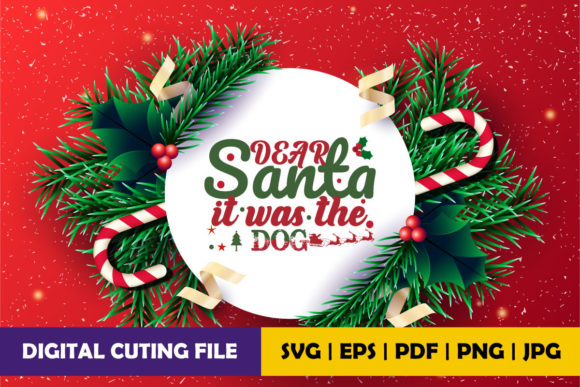
The title alone sets the stage. We have all been there: the chaos of the holidays, the shattered ornament, or perhaps a less destructive but equally guilty canine indiscretion. This design taps into that universal, relatable humor. Visually, it feels like a playful narrative piece rather than a static logo. The mood is lighthearted and festive, but with a wink. For an embroiderer, this matters because humor needs clarity. If the joke gets lost in the stitching, the product loses its charm.
The layout appears to balance text and imagery in a way that suggests a strong focal point. In my experience, designs that rely heavily on small, intricate details often fail when digitized, especially if the hoop size is limited. However, Dear Santa It Was the Dog seems to prioritize legibility and shape over excessive micro-detailing. This makes it a safer bet for both novice machine operators and seasoned professionals working under tight deadlines. It feels designed to be seen, not just stitched.
Real-World Application: Where Does This Design Shine?
Let’s talk about where this file actually lives in a production workflow. I visualized this design on several common handmade products to see how it would perform.
- Holiday Apparel: Imagine this on a cozy, cream-colored sweatshirt or a thick cotton t-shirt. The contrast between the festive theme and the "guilty dog" narrative works perfectly for casual wear. It’s the kind of custom apparel that people wear to holiday parties specifically to start conversations.
- Kitchen and Home Textiles: A kitchen towel or a tea towel featuring this design is a fantastic gift item. The rectangular nature of these items often accommodates horizontal text layouts beautifully. It adds a touch of whimsy to a functional space.
- Baby and Nursery Items: While the humor is adult-leaning, the cute dog element makes it suitable for baby onesies or nursery wall art (if framed). It softens the "blame the pet" joke into something sweeter for younger audiences.
- Accessories: A tote bag design or a cap could work, provided the scale is adjusted correctly. On a cap, the curve of the brim can sometimes distort text, so testing the placement is crucial.
For the Etsy seller or small shop owner, this design has high "giftability." It fits squarely into the holiday embroidery niche, which sees massive traffic spikes every November and December. It’s not just a design; it’s a seasonal revenue driver.
Technical Considerations and Stitch Performance
When evaluating any machine embroidery design, the devil is in the details. Here is what you need to watch out for when digitizing or stitching Dear Santa It Was the Dog.
Stitch Density and Fabric Choice
If the design uses heavy fill stitch areas, particularly in the dog’s fur or Santa’s coat, you must choose your fabric wisely. Dense stitches on thin, stretchy fabrics like jersey knits can cause puckering unless you use a high-quality cut-away stabilizer. For best results, stick to stable fabrics like canvas, denim, fleece, or tightly woven cottons. These materials hold the structure of the design without distorting.
Thread Color Contrast
The success of this design hinges on color separation. If the text is light and the background is dark (or vice versa), ensure your thread colors provide enough contrast. A common mistake is using similar tones for the text and the background fabric, which renders the punchline unreadable. Test your thread choices against your fabric swatches before committing to a full run.
Hoop Size Constraints
Always check the hoop size requirements. If the design is large, it may require multiple hooping positions, which increases the risk of registration errors. If you are producing these for a craft business, consistency is key. A design that requires complex re-hooping might slow down your production line significantly.
Where to Use It Carefully
No design is perfect for every surface. There are specific scenarios where Dear Santa It Was the Dog might struggle:
- Small Hoop Sizes: If you are trying to fit this onto a tiny patch or a delicate lace trim, the details may become muddy. The text might lose its sharpness if scaled down too far.
- Textured Fabrics: Bouclé wool or heavily textured weaves can obscure fine lines. The "dog" features might blend into the fabric texture, losing definition.
- Curved Surfaces: While caps are popular, the curvature can stretch text. If the design includes straight lines of text, consider placing it on a flat panel of the cap rather than the curved front.
- Frequent Washing: For items like aprons or towels that will undergo rigorous washing, ensure the satin stitch edges are dense enough to prevent fraying. Over time, loose threads can unravel, making a finished product look cheap.
Practical Designer Notes for Production
Before you upload this to your shop or start stitching for clients, follow these steps to ensure professional results:
- Test on Scrap Fabric: Never trust a digital preview entirely. Stitch a test version on the actual fabric you plan to sell. Check for thread breaks, tension issues, and color accuracy.
- Black and White Mockup: Convert the design to grayscale to check contrast levels. If the elements blend together in black and white, they will likely look muddled in color.
- Inspect Small Details: Zoom in on the digital file. Are the eyes of the dog clear? Is the text legible at small sizes? If details are too fine, they may not survive the stitching process.
- Check Licensing: As a commercial embroidery user, you must confirm the licensing terms. Can you sell finished items? Can you offer the digital file as part of a bundle? Ensure you have the right to profit from this digital embroidery file.
- Use Proper Stabilizer: Match your stabilizer to your fabric weight. A lightweight tear-away might suffice for a tote bag, but a sweatshirt will need a heavier cut-away to maintain shape.
Final Verdict
Dear Santa It Was the Dog is more than just a cute graphic; it is a strategic addition to any holiday collection. It combines emotional resonance with practical design principles. For the creative entrepreneur, it offers a ready-made solution for a high-demand seasonal market. For the hobbyist, it provides a fun, manageable project that yields a delightful personalized gift.
It performs best on stable fabrics with good color contrast, and it shines in categories like home decor, casual apparel, and gifts. By following basic digitization best practices—testing, checking density, and respecting fabric limits—you can turn this file into a professional and profitable asset. It’s a smart choice for anyone looking to add a touch of humor and heart to their embroidery project roster this season.