Lockdown Beer Quote Embroidery Review
As a designer who spends more time staring at stitch plots than actual social gatherings, I have seen a lot of novelty phrases come through my hoop. Some are clever, some are lazy, and most are destined to end up in the trash bin after one wash cycle. When I first pulled up Are You Drinking More While in Lockdown, designed by Caty Catherine, I wasn’t sure what to expect. It sits squarely in the Crafts and Graphics categories, which usually implies a digital asset ready for cutting or stitching. But the real test isn’t how it looks on a screen; it’s how it behaves when pushed through an embroidery machine onto fabric.
The First Impression: Mood and Layout
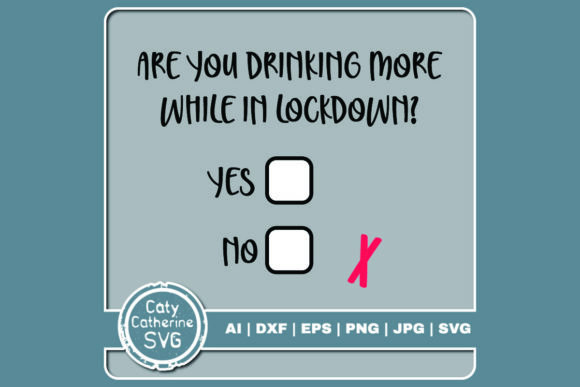
The immediate vibe of this design is relatable humor. We all know that era, and we all know the sentiment. The layout appears to prioritize readability, which is crucial for text-heavy embroidery projects. In my experience, fonts that look good in vector software often fall apart when converted into stitches. This design seems to lean into a casual, perhaps slightly distressed or hand-lettered aesthetic, which works well for the "home bar" or "cozy night in" mood it evokes.
Visually, it feels like a perfect candidate for a tote bag design or a cozy sweatshirt embroidery project. It doesn’t scream high fashion; it screams comfort and inside jokes. For an Etsy seller or someone running a small shop product line, this kind of recognizable, meme-adjacent humor drives engagement. It’s the kind of thing people buy as a personalized gift for a friend who needs a laugh during stressful times. The visual personality is unpretentious, which lowers the barrier for entry for customers who might be intimidated by more complex artistic designs.
Real-World Application: Where Does It Fit?
I recently considered using this file for a batch of custom aprons for a local coffee shop’s holiday giveaway. The idea was to pair the beer quote with a playful graphic element. However, upon closer inspection of the embroidery file structure, I realized that while it works beautifully on structured items, it has limitations on softer goods.
This design shines best on structured fabrics. A custom apparel item like a denim jacket or a heavy cotton hoodie provides the stability needed for clean lettering. It also translates exceptionally well to a handmade product like a kitchen towel or a tea towel. These items are frequently washed, so the durability of the stitch work is paramount. If you are looking to create a finished product that will last, placing this on a thick terrycloth towel allows the stitch density to stand out without distorting the fabric.
For digital product sellers, this is a goldmine for printable mockups. You can easily visualize this on various backgrounds to create listings that pop. It serves as excellent design assets for those who want to offer quick-turnaround gifts. Imagine a customer buying a digital download to send to their own embroiderer, or a boutique owner ordering pre-made holiday embroidery gifts. The versatility here is high, provided you respect the physical constraints of the medium.
Performance on Specific Garments
- Tote Bags: Canvas is forgiving. This design would look sharp centered on a canvas tote, especially if paired with neutral thread colors.
- Sweatshirts: The fleece backing helps hold the stitches, but ensure the design isn’t too large, or it may feel heavy against the skin.
- Baby Embroidery: While the theme is adult-oriented, the font style could be adapted for a nursery decor piece if the context is humorous parenting gear. However, for standard baby clothes, you might want something softer.
- Embroidered Patch: This could easily be digitized as a detachable patch, allowing for maximum flexibility on jackets and bags.
Where to Be Careful: Technical Constraints
No design is perfect, and Are You Drinking More While in Lockdown has specific areas where a designer needs to exercise caution. Text-based embroidery is always risky because small details can get lost in the fabric texture.
If you attempt to run this in a very small hoop size, the lettering may become cramped. Tight kerning combined with fill stitch areas can lead to puckering, especially on lighter fabrics. I strongly advise against placing this on thin, stretchy materials like jersey knits without a heavy-duty stabilizer. The tension required for clear text can distort delicate fabrics, ruining the professional look of your craft business output.
Another critical consideration is color contrast. On dark fabric, you need bright threads to make the message readable. On light fabric, dark threads provide the necessary punch. If you are using tonal threads (e.g., grey on black), the message may be lost entirely. Always check your thread colors against your fabric swatch before committing to a full production run.
Additionally, be mindful of the corners of the text. If the design includes any decorative accents or curved edges, ensure they aren’t so fine that they break during the stitching process. Satin stitch borders on tight curves can sometimes look jagged if the underlay isn’t programmed correctly.
Practical Designer Notes for Execution
Before you upload this file to your machine, there are several steps you must take to ensure quality control. First, test the design on scrap fabric first. This is non-negotiable. You need to see how the stitch density interacts with your specific material. Does it pucker? Does it slide? Is the running stitch visible enough?
Review the stabilizer choice carefully. For this type of quote, a cut-away stabilizer is usually safer than tear-away, especially if the final item will undergo frequent washing. If you are making a commercial embroidery item, you want it to survive the laundry cycle without losing its shape.
Inspect the small details closely. Zoom in on the vector version and compare it to the stitched sample. Are any letters merging? Is the spacing consistent? If the design relies on negative space, ensure that the background fabric shows through cleanly. A muddy background can ruin the clarity of the joke.
Finally, confirm licensing. As a digital embroidery file, the rights to sell finished products vary by creator. Since this is designed by Caty Catherine, you must verify whether the purchase includes commercial use rights for your craft business or Etsy listing. Selling unauthorized commercial goods can lead to serious legal issues. If you are unsure, reach out to the designer or stick to personal use until clarified.
Final Verdict
Are You Drinking More While in Lockdown is a solid, commercially viable design for makers who understand the nuances of textile printing. It captures a specific cultural moment with humor that resonates. It performs best on sturdy fabrics like canvas, denim, and terry cloth, where the text remains crisp and legible. It adds value to personalized gifts and boutique branding by offering something conversational and fun.
However, it requires technical precision. You cannot simply throw it on a flimsy shirt and hope for the best. With proper stabilizer, correct thread selection, and careful hoop placement, this design can elevate your embroidery project from a simple craft to a professional-grade product. For the savvy maker or small business owner, it’s a smart addition to your library of graphics and design assets, provided you respect the limits of the medium.