Love You to the Moon and Back
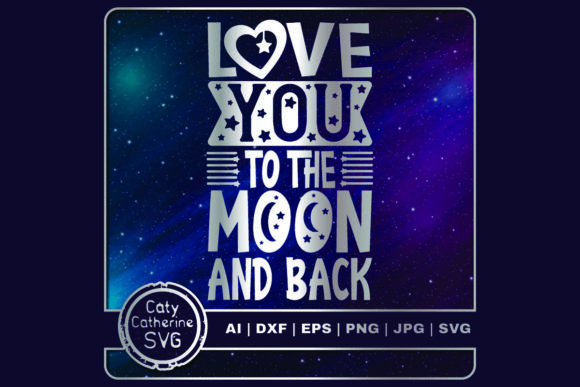
When I first pulled up Love You to the Moon and Back, my immediate thought was not about the file formats or the technical specs, but about the emotional weight of the phrase itself. As a designer who reviews hundreds of embroidery files monthly, I look for that specific intersection where sentiment meets stitchability. This design by Caty Catherine sits squarely in that zone. It is a quote-based design that relies heavily on typography and likely accompanying iconography (stars, moons, hearts) to carry its message. For any embroiderer, whether you are running a high-volume commercial machine or stitching by hand for a boutique gift, the challenge with quote designs is always legibility and balance. Does it read clearly? Does it feel cluttered? And most importantly, does it translate well from a digital preview to a physical textile?
The First Impression: Mood and Visual Personality
The title Love You to the Moon and Back is a classic, evoking warmth, nostalgia, and deep affection. In the context of a machine embroidery design, this mood needs to be reflected in the line weights and spacing. If the lettering is too thin, it risks disappearing into the fabric texture. If the decorative elements are too dense, the text can become hard to read after washing. My initial assessment suggests that this file is versatile enough to work across several categories of Crafts, particularly those leaning toward sentimental gifting.
The visual personality here feels soft yet structured. It avoids the overly cursive, difficult-to-stitch scripts that often fray at the edges during production. Instead, it leans into a style that promises clarity. For an Etsy seller or a small shop product creator, this clarity is currency. Customers want to know exactly what they are buying when they see a personalized item. A design that communicates its message instantly reduces hesitation and increases conversion rates. The inclusion of formats like SVG, PNG, EPS, DXF, JPG, and AI means you have significant flexibility in how you prepare this asset, allowing you to adjust scale or combine elements if needed before digitizing for your specific hoop size.
Real-World Application: Where This Design Shines
I recently considered using Love You to the Moon and Back for a custom embroidered tote bag project intended as a graduation gift. The scenario was specific: a durable canvas tote, meant to last years, carrying a message of support from parents to a college student. Here is how the design performs in such real-life scenarios:
- Tote Bags and Canvas Items: These items provide a stable, flat surface ideal for quote designs. The sturdy fabric supports the stitch density required for clear lettering without puckering. The contrast between dark thread and light canvas makes the moon and star motifs pop, creating a high-end look that justifies a premium price point.
- Baby Embroidery and Nursery Decor: This phrase is a staple in nursery themes. When applied to muslin blankets, burp cloths, or crib sheets, the design takes on a softer, more delicate role. Using pastel thread colors against white or cream fabric enhances the gentle aesthetic. However, one must be careful with hoop size; baby items often require smaller hoops, so ensuring the entire quote fits comfortably without cutting off letters is crucial.
- Sweatshirt Embroidery and Custom Apparel: For custom apparel, specifically hoodies or sweatshirts, this design adds a layer of personalization that mass-produced retail cannot match. The durability of the stitches ensures the message survives countless washes, making it a perfect personalized gift for anniversaries or birthdays.
- Holiday Embroidery and Kitchen Towels: During the holiday season, this theme works beautifully on tea towels or aprons. The festive yet timeless nature of the quote allows it to remain relevant long after the holidays pass, increasing the perceived value of the finished product.
Technical Considerations and Potential Pitfalls
While the concept is strong, execution is everything. There are specific areas where this design requires careful handling. First, consider the fabric texture. If you plan to use this on a highly textured fabric like heavy denim or boucle wool, fine details in the lettering may get lost. In such cases, opting for a bolder thread color or simplifying the design might be necessary.
Another critical factor is the stabilizer. Quote designs often span a wider area than simple icons. Without adequate cut-away stabilizer, especially on stretchy fabrics like jersey knits used in t-shirts, the design can distort over time. The tension between the top and bottom threads must be balanced to prevent the satin stitch borders around letters from pulling or breaking.
Also, pay attention to the small details. If the design includes tiny stars or intricate moon phases, test them on scrap fabric first. On a large tote bag design, these details will be visible and add charm. But if scaled down too small for a cap or a small patch, they may merge into indistinct blobs. Always inspect small details closely before committing to a full production run.
Strategic Use Cases for Digital and Physical Products
For digital product sellers and design assets creators, this file offers multiple revenue streams. You can offer it as a standalone embroidery file for those with home machines, or bundle it with mockups for clients who need visual previews. The availability of transparent PNGs and vector formats like AI and EPS allows you to create professional printable mockups for your listings. These mockups help buyers visualize the embroidery project on different backgrounds, enhancing buyer engagement and trust.
Furthermore, for commercial embroidery businesses, the versatility of this design means it can fit into various collections. It works for wedding gifts, baby showers, and even corporate retreats where team bonding gifts are exchanged. By positioning it as a handmade product with a heartfelt message, you differentiate yourself from competitors selling generic goods.
Final Designer Notes and Best Practices
Before adding Love You to the Moon and Back to your production workflow, keep these practical tips in mind:
- Test on Scrap Fabric: Never skip this step. Different fabrics react differently to thread tension and needle penetration. Test on the exact material you plan to sell.
- Check Thread Color Contrast: Ensure your chosen thread colors stand out against the fabric. Low contrast can make the design look muddy and unprofessional.
- Confirm Hoop Size: Verify that the design dimensions fit your standard hoops. If the design is larger than 5x7 inches, ensure your machine can handle it or split the design appropriately.
- Review Licensing: While the file comes in various formats, always double-check the licensing terms provided by Caty Catherine. Confirm whether you can sell finished items made from this design, especially for craft business purposes.
- Use Proper Stabilizer: Match your stabilizer to the fabric weight. Heavy fabrics need heavy stabilizers; light fabrics need lightweight ones to avoid bulkiness.
In conclusion, Love You to the Moon and Back is a solid, emotionally resonant choice for designers looking to expand their catalog. It balances sentiment with practicality, offering a wide range of applications from apparel decorators to creative entrepreneurs. By paying attention to the technical details—stitch density, fabric choice, and stabilization—you can transform this digital asset into a cherished personalized gift that customers will love. Whether you are creating a single embroidered patch for a friend or launching a line of holiday embroidery goods, this design provides a reliable foundation for success.