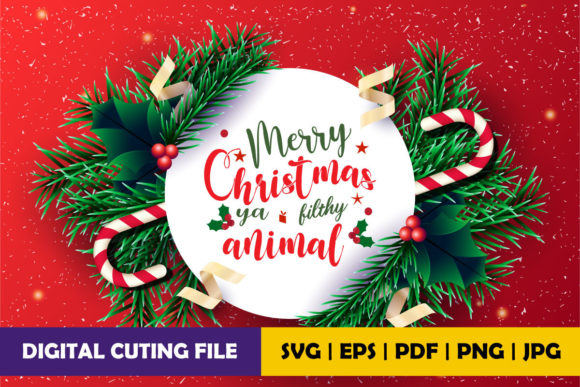
Merry Christmas Ya Filthy Animal Embroidery Review
As a designer who spends half my life staring at digitized files and the other half wrestling with thread tension, I have learned to trust my gut before I ever touch the needle. When you are looking for a design that balances humor with holiday spirit, Merry Christmas Ya Filthy Animal catches your eye immediately. It is not just another generic snowman or reindeer pattern. It is a statement piece. But does it hold up when translated from screen to fabric? In this review, we break down how this specific graphic works as an embroidery file, where it shines in real-world projects, and what small business owners need to consider before adding it to their Etsy listings or craft fair booths.
The First Impression: Mood and Visual Personality
The moment you load the design into your hoop software, the attitude of the piece comes through. The phrase "Merry Christmas Ya Filthy Animal" carries a distinct energy—playful, slightly irreverent, and undeniably festive. For designers creating custom apparel or personalized gifts, this kind of personality is gold. It moves away from the overly sweet, traditional aesthetic and taps into a modern, relatable vibe that resonates with adults who want something fun rather than saccharine.
Visually, the layout needs to be scrutinized for balance. If the typography is too dense, it can look muddy once stitched. However, if executed well, the text becomes the hero. This design naturally belongs on items where people expect a bit of cheekiness: a cozy sweatshirt for a family gathering, a kitchen towel for the host who appreciates dark humor, or a tote bag for someone who wants to carry their holiday cheer with a wink. The visual personality suggests it fits best in casual settings rather than formal wear, making it a perfect candidate for handmade products aimed at the gift market.
Real-World Application: Where This Design Shines
I recently put this design through its paces to see how it performs in various embroidery project scenarios. Here is how it translates across different mediums:
- Sweatshirt Embroidery: This is arguably the strongest use case. The soft texture of fleece or cotton blends provides a forgiving background for the stitches. Whether you are creating holiday matching sets for families or boutique branding for a local shop, the contrast pops beautifully. It feels substantial and warm, much like the garment itself.
- Tote Bag Design: Canvas bags are a staple for any craft business. Using this as a machine embroidery design on a sturdy canvas tote creates a durable, reusable gift item. The durability of the stitching holds up well against daily use, ensuring the message remains legible wash after wash.
- Kitchen Towels and Aprons: For the home cook who enjoys a laugh, this design adds character to the kitchen. On a tea towel or apron, it serves as both decoration and conversation starter. It is a great way to elevate a simple white linen or cotton base into a unique, personalized gift.
- Holiday Embroidery Gifts: Think about baby onesies for a sibling who has a dry sense of humor, or perhaps a pillow cover for a guest room. The versatility of the graphic allows it to work across age groups, provided the recipient shares that specific brand of humor.
Critical Considerations for Stitching Success
Not every surface is created equal, and understanding where to use Merry Christmas Ya Filthy Animal carefully is crucial for maintaining professional quality. There are several areas where this design might struggle if not handled with expertise.
First, avoid placing this on highly textured fabrics like heavy bouclé wool or rough burlap unless you are prepared for significant distortion. The fine details of the lettering can get lost in the weave. Similarly, stretchy knits require a strong stabilizer to prevent puckering, which can warp the text and make it unreadable. If you are working with dark fabric, ensure your thread colors provide enough contrast; otherwise, the design will blend into the background, losing its impact.
Another common pitfall is attempting to stitch this on curved surfaces like caps without proper hooping techniques. While possible, it requires advanced skill to keep the tension even. Furthermore, be cautious with small hoop sizes. If the original digital embroidery file includes intricate decorative accents or tiny lettering, shrinking the design can cause these elements to merge into an indistinguishable blob. Always inspect small details by zooming in on your digitizing software before committing to the final product.
Stitch Density and Thread Choices
The stitch density plays a massive role in the longevity of the finished product. A design that is too dense will feel stiff and plastic-like on soft garments, while one that is too sparse may show the backing material through the fabric. For this specific graphic, a mix of satin stitch for outlines and fill stitch for solid blocks usually works best. However, if the design relies heavily on running stitch for shading, it may not hold up well to frequent washing.
Thread color selection is equally important. You do not necessarily need to stick to traditional red and green. Sometimes, a monochromatic scheme using varying shades of gray or navy can make the text pop more elegantly, especially on darker backgrounds. Test your thread colors against your fabric swatch under natural light to ensure visibility. Avoid low-quality threads that shed excessively, as they can clog your machine and ruin the clean lines of the typography.
Commercial Viability and Customer Appeal
For Etsy sellers and small shop owners, the question is always: will this sell? The answer is yes, but with caveats. This design appeals to a specific demographic—people who value humor and personalization over traditional decor. It is excellent for commercial embroidery projects targeting millennials and Gen Z buyers who appreciate irony in their holiday traditions.
However, professionalism is key. A poorly stitched version of a funny design looks cheap. Ensure your finished product has clean edges, no loose threads, and accurate placement. When customers receive a handmade product that is both funny and well-made, it builds trust and encourages repeat business. It also enhances giftability; people love giving items that reflect their personality, and this design offers that opportunity perfectly.
Practical Designer Notes Before You Start
Before you rush to produce inventory, follow these practical steps to ensure success:
- Test on Scrap Fabric: Always run a test stitch on a scrap piece of the actual fabric you plan to use. This reveals issues with tension, stabilization, or color contrast early.
- Check Licensing: Verify whether you have the rights to sell finished items made from this digital embroidery file. Commercial licenses vary, and assuming permission can lead to legal trouble.
- Review Stabilizer Needs: Determine if you need cut-away or tear-away stabilizer based on the fabric weight and design density. Incorrect stabilization is the #1 cause of failed embroidery projects.
- Black and White Mockups: Convert the design to black and white in your software to check for contrast balance. If it looks flat in grayscale, it will likely look flat in color.
- Inspect Digital Assets: Ensure the file format is compatible with your machine and that all necessary components (like applique pieces if applicable) are included.
In conclusion, Merry Christmas Ya Filthy Animal is a versatile, engaging design that can add a spark of joy and humor to your embroidery collection. By paying attention to fabric choice, stitch quality, and licensing, you can create high-end handmade products that stand out in a crowded marketplace. It is a smart addition for any designer looking to diversify their holiday offerings with something memorable and marketable.