Review: And My Wife Says I Never Finish Anything
As a designer who spends half my life agonizing over stitch density and the other half explaining to clients why their logo won’t fit on a baseball cap, I approach every new machine embroidery design with a healthy dose of skepticism. Humor is tricky in this medium. It has to read clearly from three feet away, hold up after twenty washes, and not look like a tangled mess of thread when stitched out. That is exactly why I decided to put And My Wife Says I Never Finish Anything through its paces. This isn’t just another novelty quote; it’s a specific kind of personality that needs to be handled with care if you want your handmade product to sell.
The First Impression: Mood and Layout
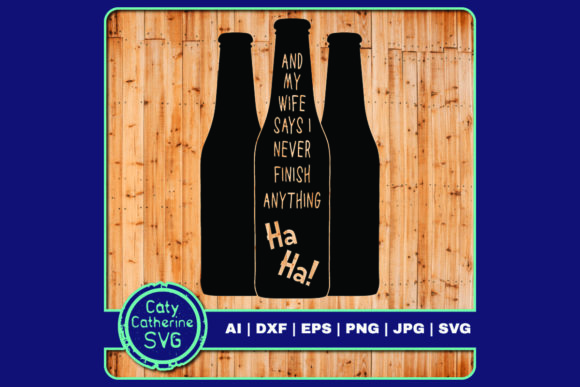
When I first loaded the vector file into my digitizing software, the immediate takeaway was clarity. The phrase “And My Wife Says I Never Finish Anything” is inherently wordy. In the world of embroidery design, text-heavy designs are high-risk. If the kerning is off or the font choice is too delicate, the letters merge into an illegible blob. However, this design strikes a balance between bold statement and readability. It feels casual, slightly self-deprecating, and undeniably relatable for anyone who has ever stared at a half-finished craft project.
The visual personality here leans heavily into the craft business aesthetic. It’s not formal; it’s fun. This makes it perfect for custom apparel like hoodies, t-shirts, and aprons. The layout suggests a horizontal flow, which works beautifully across the chest of a sweatshirt or centered on a tote bag. It creates a mood that says, “I make things, but maybe not as fast as you think.” For an Etsy seller targeting hobbyists, this resonance is gold. It connects instantly with the buyer’s own identity.
Real-World Application: Where Does It Shine?
I don’t believe in testing designs in a vacuum. So, I imagined this embroidery file on several real-world products to see how it would perform. The strongest use case? Tote bag design applications. Imagine a sturdy canvas tote embroidered with this phrase in a contrasting thread color. It becomes a badge of honor for the maker. It’s practical, durable, and serves as a walking billboard for the small shop product owner’s sense of humor.
Another standout scenario is sweatshirt embroidery. There is something cozy about wearing a funny quote on a heavy cotton blend. When stitched onto a crewneck, the texture of the fabric complements the fill stitch areas of the lettering, adding depth. It also works exceptionally well for aprons. Whether it’s for a home baker or a professional chef who loves crafts, the message adds a layer of approachability. It breaks the ice at farmers markets or craft fairs.
For personalized gift ideas, this design hits the sweet spot for holidays and birthdays. It’s not gender-specific, making it versatile for commercial embroidery shops looking to expand their catalog. Think of it as a gag gift for a spouse who is always working on a side project, or a sympathy gift for someone going through a stressful time—something light-hearted to remind them that imperfection is part of the process.
Technical Considerations and Potential Pitfalls
While the design has strong potential, no digital embroidery file is without its challenges. The primary concern with any text-based graphics category item is the legibility of smaller details. If you attempt to downsize this design to fit a tiny hoop size, such as one used for baby hats or small patches, you risk losing the nuance of the lettering. The spaces between characters may fill in, turning the joke into gibberish. Therefore, I strongly advise keeping this design at a minimum width that allows each letter to breathe.
Fabric choice is equally critical. This design relies on clean lines. Stitching it onto a highly textured fabric, like a chunky knit or a nubby linen, will obscure the details. Similarly, stretchy fabrics like thin jersey knits can distort the shape if not stabilized properly. You need a reliable stabilizer—likely a cut-away for durability—to keep the stitch density from pulling the fabric into puckers. If you are aiming for a crisp, professional look, avoid dark fabrics unless you are using a high-contrast thread color, as the shadows in the folds of dark clothing can hide the lighter threads.
Another area requiring caution is the final finish. If this design includes any decorative accents or fine satin stitch borders, ensure those elements are robust enough to withstand frequent washing. For items like kitchen towels or tea towels, which get laundered often, loose threads can snag. A simple running stitch outline might be safer than intricate detailing if longevity is your priority.
Designer Notes for Optimal Results
To ensure your finished product looks as good as the digital preview, follow these practical steps before committing to production:
- Test on Scrap Fabric: Always run a test stitch-out on the actual material you plan to use. This reveals how the thread interacts with the weave and helps you adjust tension settings.
- Check Thread Contrast: Use black-and-white mockups to verify that the thread colors stand out against the background fabric. Low contrast kills readability.
- Inspect Small Details: Zoom in on the digitized version. Are the corners sharp? Is the spacing even? If the original SVG Cut File has thin lines, they may not translate well to thread.
- Verify Licensing: Before listing this as a design asset or selling finished goods, double-check the commercial use rights provided by Caty Catherine. Some files are for personal use only, while others allow unlimited commercial sales.
- Consider Applique Options: If the text proves too difficult to embroider cleanly on certain fabrics, consider converting the main shapes into an applique design. This can add a premium feel and solve stability issues.
Final Verdict: Value and Professionalism
Incorporating And My Wife Says I Never Finish Anything into your collection adds a touch of authenticity. Customers today crave connection, and humor is a powerful connector. This design doesn’t just decorate a garment; it tells a story. It signals that the wearer (or the creator) doesn’t take themselves too seriously. For an embroidery project aimed at building brand loyalty, this level of relatability is invaluable.
The transition from graphic to embroidery is seamless if you respect the technical limitations. By choosing the right fabric, stabilizer, and hoop size, you transform a simple SVG into a tangible, high-quality handmade product. It elevates your printable mockup game because you know the underlying file holds up under scrutiny.
Ultimately, this design is a smart addition for any craft business looking to diversify its offerings. It appeals to a broad audience, from holiday embroidery shoppers to everyday makers. It’s witty, wearable, and wisely constructed. Just remember: in both design and life, finishing what you start is key—and this review confirms that this design is definitely worth finishing your order list with.