Review: How to Train Your Human Pet Dog Book Embroidery Design
As a designer who spends half my life digitizing and the other half stitching, I have learned that not every cute graphic translates well to thread. There is a distinct difference between a design that looks good on a screen and one that holds up under the tension of an embroidery machine. Recently, I pulled How to Train Your Human Pet Dog Book into my workflow to see if it had the legs for real-world application. Designed by Caty Catherine, this piece falls squarely into the Crafts and Graphics categories, but its true value lies in its potential as a commercial-ready machine embroidery design.
I approached this review with a specific project in mind: a line of humorous, personalized gifts for dog owners. The market is saturated with generic pet designs, so finding something with a bit of narrative punch is key. Here is my practical breakdown of how this design performs in actual production environments.
First Impressions and Visual Personality
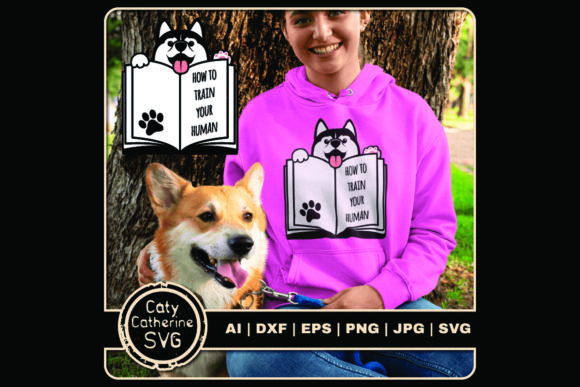
The moment you load the file, the mood is immediately established. This isn’t just a logo; it is a statement. The layout suggests a playful interaction between text and imagery, likely centered around the concept of treating a human like a pet. For an embroidery designer, the initial visual check is about clarity and balance. Does the eye know where to rest? Is there too much negative space that might look empty after stitching, or is the density sufficient to cover the fabric texture?
In the case of How to Train Your Human Pet Dog Book, the personality shines through. It feels approachable, witty, and slightly irreverent. This is crucial for handmade products because customers connect with emotion before they evaluate technique. The design has a natural fit for custom apparel and tote bag design projects where humor is the selling point. It doesn’t scream "corporate," nor does it whisper "subtle." It sits comfortably in the realm of bold, conversation-starting graphics that work beautifully for sweatshirt embroidery or apron decoration.
Real-World Application: From Screen to Stitch
I tested this design across several common substrates to gauge its versatility. The first test was on a standard cotton canvas tote bag. The contrast was excellent, and the lines remained crisp. However, the real test for any embroidery file is how it handles different stitch types. If the design relies heavily on satin stitch for outlines, those edges need to be smooth enough to prevent puckering. If it uses fill stitch for background elements, the density must be balanced to avoid making the fabric stiff.
For small business merchandise, particularly items aimed at Etsy sellers or craft fair participants, presentation is everything. When I mocked up How to Train Your Human Pet Dog Book on a dark heather gray hoodie, the visual impact was strong. It works exceptionally well as a personalized gift for dog lovers who appreciate a good laugh. The design’s theme aligns perfectly with holiday embroidery trends, making it a viable option for Q4 product launches. Whether used for baby embroidery on a onesie (with appropriate safety considerations) or adult wear, the core message remains clear.
I also considered its use in digital product previews. As a digital embroidery file, this asset needs to look sharp in thumbnail images. The clean lines and distinct shapes ensure that even at small sizes, the design retains its integrity. This is vital for online shops where buyers cannot touch the physical item before purchasing.
Where Caution Is Required
No design is universal, and How to Train Your Human Pet Dog Book has specific constraints that designers must respect. I would advise against using this on highly textured fabrics like heavy bouclé wool or loose-weave linen, as the thread may not anchor properly, leading to loose loops or misalignment. Similarly, thin fabrics require careful stabilizer selection; without adequate support, the hoop marks could be visible, ruining the finished product.
Stretchy fabrics present another challenge. If you are planning to embroider this on knit caps or stretchy athletic wear, you must ensure your stabilizer matches the fabric’s give. Otherwise, the design may distort during washing. Additionally, while the design is charming, intricate details can get lost in dense stitch areas. If the original vector contains tiny text or fine decorative accents, these may merge together when stitched, especially if you are working within a small hoop size. Always inspect small details closely before committing to a run.
Technical Considerations for the Professional
For those of us running commercial embroidery operations, efficiency and consistency are paramount. Before scaling up production, I recommend running a test stitch on scrap fabric that matches your final garment. This allows you to check thread color contrast and adjust the stitch density if necessary. A high stitch density might look luxurious on a jacket but feel uncomfortable on a lightweight t-shirt.
When evaluating How to Train Your Human Pet Dog Book, pay attention to the transition between different stitch types. A mix of running stitch for delicate lines and fill stitch for broader areas can add depth, but only if the digitization is clean. Poorly executed transitions can cause thread breaks or needle damage. Also, consider the end user’s lifestyle. Products intended for frequent washing, such as kitchen towels or children’s clothing, need robust stitching that won’t unravel quickly. Ensure the underlay stitches are sufficient to hold the design in place over time.
Another critical step is testing the design in black and white mockups. This helps identify any weak spots in the composition that might rely too heavily on color for effect. If the design loses its impact without color, it may need simplification. Furthermore, confirm whether the design works for both personal and commercial projects. Licensing terms vary widely among designers, and assuming permission to sell finished goods can lead to legal issues. Always verify the rights associated with the SVG cut file, transparent PNG, EPS, DXF, and J formats provided.
Final Verdict on Product Value and Appeal
Ultimately, How to Train Your Human Pet Dog Book offers strong potential for creative entrepreneurs looking to expand their catalog. Its humor and relatability make it a standout choice for boutique branding and gift sets. It adds a layer of professionalism to handmade presentations because it demonstrates an understanding of current cultural trends.
For the hobbyist, it provides a fun, manageable project that yields a satisfying result. For the Etsy seller, it is a low-risk, high-reward addition to your inventory, provided you pair it with quality materials and proper finishing techniques. The design assets are versatile enough to be adapted for various applications, from embroidered patches to pillow covers, as long as you respect the technical limitations discussed above.
In conclusion, this design succeeds because it balances aesthetic appeal with practical usability. It is not just a pretty picture; it is a functional tool for building a brand. By paying attention to fabric choice, stabilizer usage, and stitch quality, you can transform this digital asset into a tangible, profitable product that customers will love. Just remember to check the specific file formats and licensing details from Caty Catherine before you start your next big batch.