Be Nice Bumble Bee Embroidery Review
As a designer who spends half my life staring at digitized files and the other half troubleshooting tension issues on the sewing machine, I have learned to be skeptical of designs that look perfect in a digital preview but fail miserably under the needle. That is exactly why I decided to put Be Nice Bumble Bee through its paces before recommending it for any client work or personal craft business inventory. This isn't just another generic insect graphic; it is an inspirational quote SVG cut file designed by Caty Catherine that promises a mix of whimsy and warmth. But does it hold up when you are actually stitching it onto fabric for a paying customer? Let’s dive into the practical realities of using this design.
First Impressions and Visual Personality
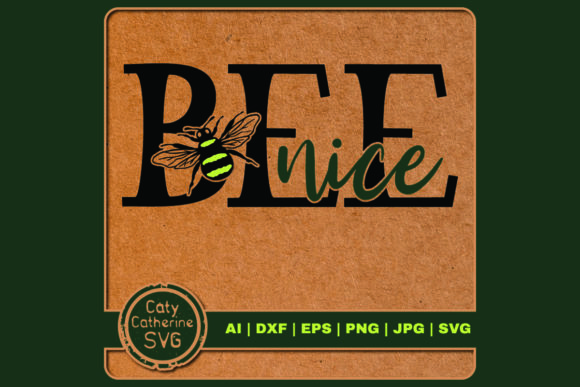
The moment you load the file into your embroidery software, the layout of Be Nice Bumble Bee reveals its intended mood. It strikes a balance between cute and motivational, which is a tricky space to occupy without feeling childish or overly sentimental. The bumble bee motif is classic, evoking feelings of hard work, sweetness, and nature, while the "Be Nice" text anchors it with a gentle, positive message. From a design perspective, this combination works exceptionally well for the handmade market because it appeals to emotion rather than just aesthetics.
The visual personality here is approachable. It feels like something you would see on a boutique nursery wall or a cozy kitchen towel. For designers evaluating this for real project use, the first thing to notice is how the text interacts with the iconography. If the lettering is integrated smoothly with the bee’s wings or body, it suggests a high-quality digitization job where the elements feel cohesive rather than slapped together. This cohesion is vital for creating a finished product that looks professional rather than amateurish.
Real-World Application: The Custom Tote Bag Scenario
To truly test the viability of this design, imagine you are preparing a custom embroidered tote bag for a local farmers' market or an Etsy listing targeting eco-conscious shoppers. You choose a natural canvas tote because it pairs beautifully with the organic theme of the bee. Here is how Be Nice Bumble Bee performs in this specific scenario.
When stitched onto sturdy cotton canvas, the design gains a rustic charm. The contrast between the thread colors and the natural fabric texture enhances the visibility of the details. However, you must consider the placement. A chest pocket area or a centered large panel both work, but the size of the hoop matters significantly. If you are working with a smaller hoop, you might need to scale down the design, which could compromise the readability of the inspirational quote. In this context, the design shines as a tote bag design that encourages kindness, making it a highly sellable item for holiday gifts or back-to-school seasons.
Furthermore, this design translates well to other textile applications. Imagine it on a sweatshirt embroidery piece for a chilly autumn day, or perhaps on a baby embroidery project like a muslin blanket. The softness implied by the bee motif makes it ideal for baby clothes where comfort and gentle visuals are paramount. The versatility of the file formats—SVG, PNG, EPS, DXF, JPG, and AI—means you can also use it for applique projects or as a base for cutting vinyl if you are expanding beyond pure machine embroidery.
Where Caution Is Required
No design is universally perfect, and Be Nice Bumble Bee has specific areas where a designer needs to exercise caution. One of the primary concerns is the stitch density. While the exact stitch count is not provided in the source materials, any design featuring both text and detailed iconography risks becoming too dense if not digitized carefully. High stitch density can lead to puckering, especially on lighter fabrics or delicate blends. Before committing to a production run, you must inspect small details closely. Are the tiny legs of the bee distinct, or do they merge into a blob? Are the curves of the letters smooth?
Additionally, consider the fabric texture. On highly textured fabrics like bouclé or thick chenille, the fine details of the bee might get lost. Similarly, on stretchy fabrics such as jersey knits used for t-shirts, you need to ensure that the stabilizer choice is robust enough to prevent distortion. If you are attempting this on dark fabric, thread color contrast becomes critical. A standard yellow thread might disappear against a black background, so you may need to switch to a bright gold or add a contrasting backing layer. Also, be mindful of curved surfaces like caps. Digitizing for a curved hat requires specific adjustments to keep the text legible and the bee symmetrical from all angles.
Impact on Product Value and Brand Consistency
For Etsy sellers and small shop owners, the perceived value of a product is often tied to the quality of the design execution. A well-executed Be Nice Bumble Bee project signals attention to detail, which builds customer trust. When a buyer sees a crisp, clean stitch line and a balanced composition, they perceive the handmade product as premium. This is particularly important in the craft business where competition is fierce.
The design also supports brand consistency. If your shop focuses on wholesome, family-friendly, or nature-inspired themes, this design fits seamlessly into your catalog. It complements other items like embroidered patches, kitchen towels, or nursery decor. By offering a design that carries a positive message, you are selling more than just a decorative object; you are selling a feeling. This emotional connection drives engagement and encourages repeat purchases. Whether you are creating personalized gifts or mass-producing commercial embroidery items, the universal appeal of "being nice" ensures broad marketability.
Practical Designer Notes for Success
- Test on Scrap Fabric: Always run a test stitch on the actual fabric you plan to use. This helps you gauge how the stitch density interacts with the material's weight and drape.
- Check Thread Contrast: Evaluate your thread colors against your chosen fabric. Use black and white mockups to ensure the design remains legible regardless of color variations.
- Confirm Hoop Size: Verify that the design fits within your available hoop size constraints, especially if you are producing multiple items quickly.
- Stabilizer Selection: Choose the right stabilizer based on the fabric type. Tear-away for wovens, cut-away for knits, and hooped stabilizers for delicate items.
- Licensing Check: Since this is a digital asset, confirm whether your license allows for commercial embroidery sales. Most digital files require a separate commercial license if you intend to sell the finished physical products.
- Inspect Details: Zoom in on the digital file to check for jagged edges or poorly formed paths. A clean source file leads to a cleaner final product.
In conclusion, Be Nice Bumble Bee is a strong contender for anyone looking to add a touch of warmth and positivity to their embroidery project list. Its success depends largely on the maker’s ability to execute it properly, choosing the right fabrics, threads, and stabilizers. When done correctly, it transforms from a simple digital graphic into a cherished handmade product that customers will love. For designers and entrepreneurs in the Graphics and Crafts sectors, this file offers a versatile foundation for creating memorable, marketable goods.