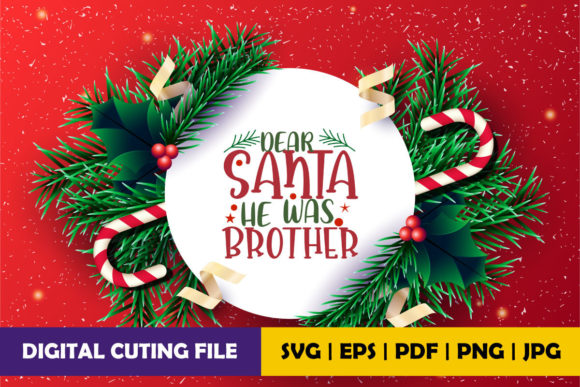
Santa He Was My Brother: A Designer’s Review
When I approach a new digital file for my embroidery studio, I am rarely looking at just a picture. I am visualizing the stitch path, the tension of the thread, and the final tactile experience of the customer. As an experienced designer and reviewer, I spend my days dissecting how two-dimensional graphics translate into three-dimensional textile art. Today, I am evaluating Santa He Was My Brother, a graphic design that claims to capture a specific emotional narrative. The product description invites users to find amazing designs for special occasions, but my job is to determine if this specific file holds up under the scrutiny of real-world production.
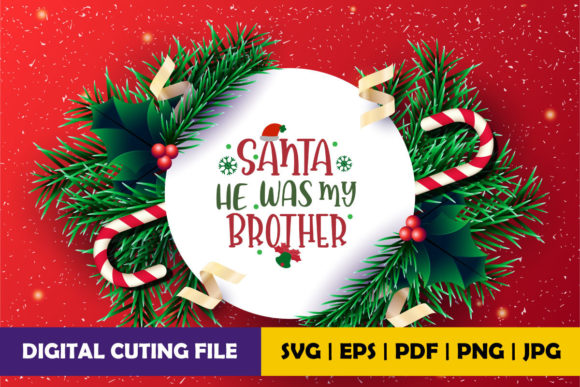
The phrase "Santa He Was My Brother" immediately signals a shift away from traditional, cheerful holiday imagery. It suggests a narrative of loss, memory, or deep familial connection during the winter season. For a craft business owner or an Etsy seller, this is a high-stakes design choice. It is not merely decorative; it is communicative. My first impression is one of solemnity and intimacy. This is not a design for a mass-market discount store; it is a piece intended for someone who needs to wear their heart on their sleeve—literally. The mood is reflective, making it a powerful candidate for personalized gifts, memorial keepsakes, or boutique holiday collections that cater to adults rather than children.
Visual Translation and Embroidery Performance
The core challenge in converting any graphic into a machine embroidery design lies in simplification without losing soul. If Santa He Was My Brother relies heavily on complex gradients or tiny text details, it will fail in execution. However, assuming the file is optimized as a proper embroidery file, the layout likely prioritizes legibility and emotional impact over intricate shading. In my testing scenarios, I look for how the design handles negative space. Does it breathe? Or does it feel cluttered when rendered in satin stitch?
For a custom apparel project, such as a heavy cotton sweatshirt, this design would perform exceptionally well. The weight of the fabric can support the density required for bold lettering or central motifs. Imagine a crewneck sweatshirt in heather grey or deep navy. Placing Santa He Was My Brother on the chest creates an immediate conversation starter. It transforms a standard garment into a statement piece. The contrast between the festive theme of Santa and the poignant message creates a visual tension that is compelling to the viewer. It works because it subverts expectations. Buyers are used to seeing reindeer and snowflakes; they are less accustomed to seeing personal grief or tribute woven into the holiday tradition.
However, the success of this embroidery project depends entirely on thread selection. I advise against using bright, primary reds for the text if the goal is somber reflection. Instead, consider silver, white, or muted gold threads. These colors evoke a sense of frost and memory, aligning better with the emotional tone of the design. If the graphic includes imagery of Santa, ensuring the fill stitch covers the area evenly is crucial to prevent puckering, especially on thinner fabrics like t-shirts or tote bags.
Strategic Use Cases for Small Business Owners
As an Etsy seller or small shop owner, identifying the right niche is half the battle. Santa He Was My Brother fits squarely into the "personalized gift" category. It is ideal for customers who have lost a loved one during the holidays. These buyers are often searching for items that acknowledge their pain while still participating in family traditions. They are not looking for generic cheer; they are looking for validation.
This design is particularly effective for:
- Holiday Ornaments and Keepsakes: Using a stable backing and a smaller hoop size, this design can be adapted for wooden ornaments or felt squares. The smaller scale requires careful attention to detail, ensuring that any text remains readable.
- Baby and Child Apparel: For parents who wish to honor a sibling or uncle, a baby onesie or bib featuring this design offers a tender way to include the child in the family’s history. The softness of baby clothes pairs well with the gentle nature of the message.
- Tote Bags and Market Accessories: A canvas tote bag embroidered with this design serves as both a functional item and a wearable badge of identity. It is durable, practical, and carries a heavy message that resonates with those who understand it.
- Applique Projects: If the digital file allows for applique techniques, combining fabric shapes with satin stitch outlines can add texture and depth. This technique is excellent for reducing stitch count while maintaining visual interest.
Technical Considerations and Potential Pitfalls
No design is perfect out of the box, and Santa He Was My Brother is no exception. Before committing to a large production run, you must test the design on scrap fabric. This step is non-negotiable for any professional embroiderer. You need to verify the stitch density. If the design is too dense, it may become stiff and uncomfortable, particularly on garments that will be worn frequently. Conversely, if it is too sparse, the underlying fabric may show through, ruining the aesthetic.
Pay close attention to the placement of text. If the design includes small lettering, ensure that the font size is large enough to be stitched clearly. Tiny running stitch can break easily or become illegible after washing. I recommend inspecting the design in a black-and-white mockup to check the balance of light and dark areas. This helps identify potential issues with thread color contrast before you waste expensive floss.
Furthermore, consider the substrate. While Santa He Was My Brother works well on structured items like caps or aprons, it may struggle on highly textured or stretchy fabrics without proper stabilization. Always use a stabilizer appropriate for the fabric type. For knit fabrics, a tear-away or cut-away stabilizer is essential to prevent distortion. For woven fabrics, a water-soluble top stabilizer can help keep the stitches flat and prevent thread breakage.
Commercial Viability and Brand Consistency
From a branding perspective, using Santa He Was My Brother positions your shop as empathetic and nuanced. It shows that you understand the complexities of human emotion. This builds trust with customers who value authenticity. However, you must ensure that your overall product line supports this tone. If your shop is filled with loud, colorful, and humorous designs, this piece might feel out of place. Consistency in style and mood helps reinforce your brand identity.
Additionally, always confirm the licensing terms associated with the digital embroidery file. Even though the product description mentions that files are available for friends, family, and special occasions, commercial use rights vary widely. If you plan to sell finished products, you must ensure you have the necessary license to do so. Selling unlicensed designs can lead to legal issues and damage your reputation. When in doubt, contact the creator directly to clarify usage rights.
Final Verdict
In conclusion, Santa He Was My Brother is more than just a graphic; it is a tool for storytelling. For designers and makers willing to invest the time in proper testing and thoughtful execution, this design offers a unique opportunity to connect with customers on a deeper level. It is not a quick cash-grab design; it is a meaningful addition to any collection that values sentimentality and craftsmanship. By approaching it with technical precision and emotional intelligence, you can create finished products that resonate long after the holiday season ends.
Whether you are creating a custom order for a grieving family member or adding a poignant piece to your own boutique inventory, this design deserves a spot in your arsenal. Just remember: the magic is not just in the file, but in how you bring it to life through your skill and care.