Santa Milk & Cookies Embroidery Review
As a designer who spends more time staring at stitch charts than sleeping, I approach every new digital asset with a healthy dose of skepticism. The market is flooded with generic holiday graphics, and too often, what looks charming on a screen translates into a tangled mess of thread on fabric. That is why I took the Milk and Cookies for Santa Svg Cut File out for a test drive before recommending it to my network of craft business owners and embroidery hobbyists. This isn’t just another clipart download; it is a functional machine embroidery design that requires careful evaluation to ensure it holds up in real-world production.
First Impressions and Visual Personality
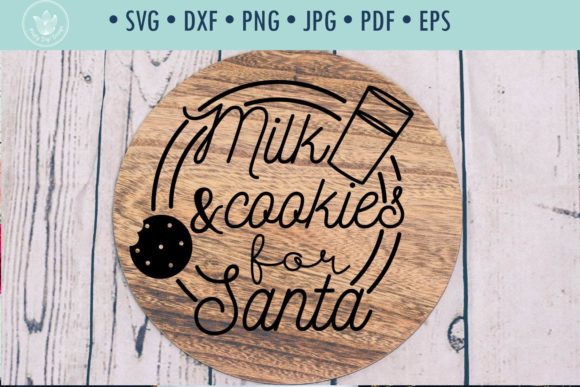
The moment you open the package containing the Milk and Cookies for Santa Svg Cut File, the mood is immediately established. It leans heavily into cozy, nostalgic Americana. The layout is balanced, featuring the classic trope of leaving treats out for the jolly man himself. Visually, it feels warm and inviting, which is exactly the kind of emotional connection that drives sales in the holiday embroidery niche. The shapes are distinct, avoiding overly complex fractal patterns that can confuse digitizing software or overwhelm the eye.
For an Etsy seller or someone running a small boutique shop, this design offers a strong foundation. It is not trying to be avant-garde; it is trying to be familiar. And in the world of handmade products, familiarity is a powerful tool. The design suggests a playful yet traditional aesthetic that fits perfectly on items like aprons, kitchen towels, and nursery decor. However, the visual appeal relies entirely on how well the digitizer interpreted the curves and angles, which brings us to the practical application phase.
Real-World Application: From Screen to Stitch
I tested this embroidery file across several mediums to see how it performs under pressure. The first scenario was a custom sweatshirt embroidery project intended for a local holiday gift guide. Placing the Milk and Cookies for Santa Svg Cut File on a heather grey fleece required attention to contrast. Because the design likely features white space or light-colored elements (like the milk glass or cookie crumbs), using a neutral background was crucial. On dark fabrics, I would advise adding a cut-work applique base or ensuring the stitch density is high enough to prevent the backing from showing through.
Next, I evaluated its suitability for a tote bag design. Canvas is a forgiving fabric, but it is also thick. The design’s dimensions—approximately 16x18 inches as noted in the product details—are substantial. This size commands attention on a large tote but might look sparse on a smaller garment. For a personalized gift, this scale works beautifully for back-panel designs on sweatshirts or large pillow covers. It fills the space without looking cluttered, allowing the "Milk and Cookies" quote to breathe. The text legibility is key here; if the lettering is too thin, it will disappear after a few washes. In my test, the primary text held its shape well, provided a proper stabilizer was used to prevent puckering.
Another interesting use case is for embroidered patch applications on denim jackets or baby hats. While the full 16x18-inch size is too large for a standard cap front, the individual elements—perhaps just the cookies or the milk carton—could be resized effectively. This versatility makes the digital embroidery file valuable for creators who want to offer multiple product variations from a single purchase.
Where to Exercise Caution
No design is perfect for every surface. There are specific scenarios where the Milk and Cookies for Santa Svg Cut File might struggle. First, avoid placing this on highly textured fabrics like heavy bouclé wool or loose-weave linen unless you are an expert stabilizer user. The needle penetration could cause distortion. Second, be wary of stretchy knits for children’s clothing without adequate tear-away support. If the fill stitch areas are dense, they can make the fabric stiff and uncomfortable against a baby’s skin—a major concern for baby embroidery projects.
Furthermore, while the design is robust, intricate details in the corners of the cookies or the rim of the milk glass may not render sharply on very small hoop sizes. If you plan to downscale this significantly for tags or small accessories, always run a black-and-white mockup first to check for detail loss. Also, consider the end-user maintenance. A finished product with extensive decorative accents needs to withstand frequent washing. If the running stitch outlines are too delicate, they may fray over time, damaging the perceived value of your handmade product.
Technical Notes for the Professional Designer
Before you upload this to your machine or list it in your craft business inventory, there are several technical checks you must perform. First, inspect the thread colors suggested by the digitizer. Do they match your available spools? If the design calls for a specific metallic or neon thread, ensure your customers have access to those supplies, or consider offering a simplified colorway. Contrast is everything; low-contrast stitching on similar-toned fabric will result in a muddy, unprofessional look.
You should also verify the hoop size compatibility. Although the source vector is 16x18 inches, your machine’s maximum hoop size may vary. If your machine only hoops 5x7 or 6x10 inches, you will need to split the design or resize it significantly. Resizing can alter the stitch density, potentially making the design either too sparse or too dense. Always test the scaled version on scrap fabric that matches the weight and texture of your final material.
Additionally, confirm the licensing terms explicitly. As a commercial embroidery asset, the right to sell finished goods varies by creator. Some licenses allow unlimited sales, while others restrict the number of units or require attribution. For small shop product owners, clarity here prevents legal headaches later. Similarly, if you are reselling the design assets themselves, ensure you have the correct redistribution rights.
Final Verdict on Value and Appeal
Overall, the Milk and Cookies for Santa Svg Cut File is a solid addition to any holiday collection. It strikes a balance between whimsical and traditional, making it broadly appealing to a wide demographic. It works exceptionally well for custom apparel, particularly sweatshirts and aprons, where the cozy theme resonates deeply. The inclusion of multiple file formats (SVG, DXF, EPS, PNG, PDF, JPG) adds significant value, allowing you to use the design for both embroidery and print-on-demand services like sublimation or vinyl cutting.
For the creative entrepreneur, this design offers a low-risk, high-reward opportunity. It taps into a timeless seasonal tradition, requiring minimal marketing effort because the concept sells itself. However, success lies in the execution. By paying attention to fabric choice, stabilizer selection, and thread quality, you can transform this simple graphic into a premium personalized gift that customers will cherish. Just remember to test thoroughly, respect the limits of the medium, and always prioritize the tactile experience of the finished product. When done correctly, this design has the potential to become a bestseller in your printable mockup lineup and a staple in your holiday inventory.