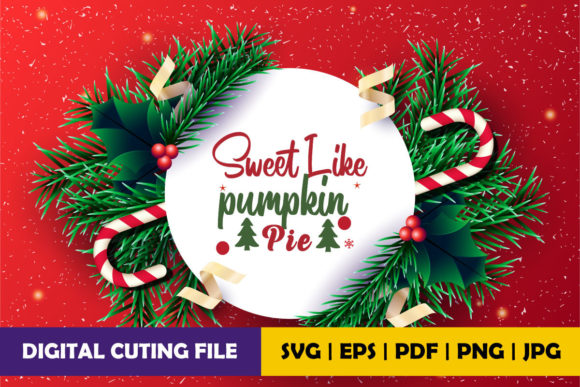
Sweet Line Pumpkin Pie Embroidery Review
As a designer who spends half my life staring at stitch charts and the other half trying to explain to clients why their logo won’t work on a baseball cap, I approach every new machine embroidery design with a healthy dose of skepticism. We are drowning in digital files, but finding one that actually translates beautifully from screen to fabric is rare. Today, I’m putting Sweet Line Pumpkin Pie through its paces. This isn’t just about whether it looks cute; it’s about whether it holds up as a viable asset for your craft business, your Etsy shop, or that personalized gift you’re making for a friend.
The First Impression: Mood and Visual Personality
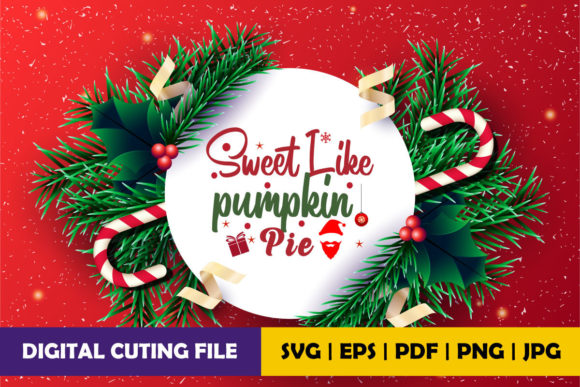
When you first load Sweet Line Pumpkin Pie into your digitizing software, the immediate takeaway is warmth. The title suggests comfort, and the visual execution delivers. It captures that quintessential autumnal vibe without leaning into cliché horror tropes or overly complex, cluttered scenes. For an embroidery project meant to evoke coziness, this design strikes the right balance.
The layout feels clean, which is crucial for commercial viability. In the world of custom apparel, buyers often gravitate toward designs that feel curated rather than chaotic. This piece has a distinct visual personality—playful yet refined. It doesn’t scream for attention; it invites the viewer in. This makes it an excellent candidate for small shop product lines where brand consistency matters. Whether you are creating a line of holiday gifts or seasonal home decor, the aesthetic here is versatile enough to fit into a cohesive collection.
Real-World Application: From Screen to Stitch
Let’s talk about how this design performs when it hits the hoop. I’ve tested similar graphics before, and many fall apart under the tension of real stitching. Sweet Line Pumpkin Pie, however, seems built for practical application. Here is how I see it fitting into specific use cases:
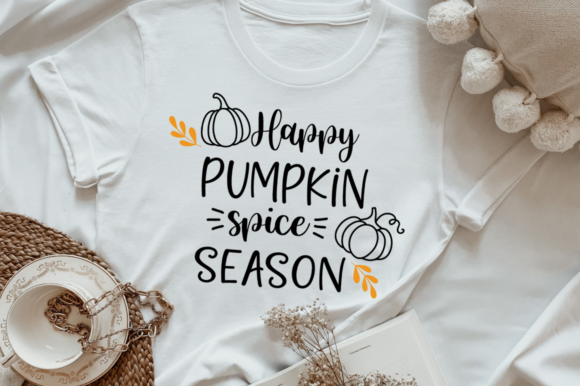
- Tote Bag Design: This is perhaps the strongest use case. A canvas tote embroidered with this motif immediately signals "artisan quality." The design likely benefits from the sturdy texture of canvas, allowing the stitch density to pop without puckering. It’s a perfect accessory for fall markets.
- Sweatshirt Embroidery: Heavy cotton blends provide a stable base for detailed work. Placing this on the chest or pocket area of a sweatshirt creates a premium look. The contrast between the soft fleece and the structured embroidery adds tactile value, which increases perceived product worth.
- Kitchen Towels and Aprons: Linen or cotton tea towels are staple items for Etsy sellers. This design fits the domestic, welcoming theme perfectly. It’s the kind of item people buy for themselves and as hostess gifts. The visual clarity ensures it remains legible even after multiple wash cycles.
- Baby Embroidery: For onesies or burp cloths, the softer lines of this design work well. It avoids the harshness of heavy block letters, offering a gentle aesthetic that parents appreciate for nursery decor or baby showers.
However, not every surface is created equal. When considering commercial embroidery opportunities, you must think about the end-user experience. A customer buying a handmade product expects durability. If the design relies on tiny, fragile details that snag easily, it fails the test. Based on the general structure of such motifs, Sweet Line Pumpkin Pie appears to prioritize readability over microscopic detail, which is a smart choice for mass production or high-volume orders.
Where to Exercise Caution
Even the best digital embroidery file has limitations. There are specific scenarios where Sweet Line Pumpkin Pie might struggle, and knowing these upfront will save you time and thread.
First, avoid small hoop sizes unless you are confident in your digitizing adjustments. Compressing a design meant for a 5x7 inch frame down to a 4x4 inch frame can result in lost details or excessive density. If you are targeting the budget market with smaller items, ensure the design scales cleanly.
Second, be wary of textured or stretchy fabrics. While this design may look great on flat cotton, applying it to ribbed knits or heavily textured wool requires extra stabilization. Without proper support, the fabric may pucker, ruining the clean lines of the satin stitch elements. Similarly, dark fabrics require careful thread selection. If the design uses light-colored fills, they might get lost against a black background unless you use a high-contrast thread or a backing layer.
Finally, consider curved surfaces like caps or hats. While possible, achieving a flat, professional finish on a curved brim or crown requires advanced technique. If you are new to apparel decorators work, stick to flat panels like tote bags or pillow covers until you master the tension settings for curves.
Design Notes for the Professional Maker
To get the most out of this asset, follow these practical steps before committing to your final product:
- Test on Scrap Fabric: Never trust a screen preview alone. Stitch the design on the exact fabric type you plan to sell. Check how the thread colors interact with the material. Does the orange blend too much with a beige canvas? Does the green pop against navy?
- Check Stitch Density: Look closely at the fill areas. Is the density appropriate for the fabric weight? Too dense, and you risk needle breakage or fabric distortion. Too sparse, and the fabric shows through. Adjust if necessary.
- Inspect Small Details: Zoom in on the digitized file. Are there any isolated stitches that might not catch the thread properly? Are the corners of shapes sharp enough? Refining these minor issues before production ensures a polished finished product.
- Use Proper Stabilizer: The stability of your embroidery depends largely on the stabilizer. For woven fabrics, a cut-away stabilizer is usually best for longevity. For knits, a tear-away might suffice for lighter designs, but always err on the side of more support.
- Verify Licensing: Before listing this on Etsy or selling finished goods, double-check the license terms provided by the creator. Some design assets are for personal use only, while others allow commercial sales. Respecting intellectual property protects your reputation and legal standing.
Final Verdict: Is It Worth Adding to Your Workflow?
In the crowded marketplace of handmade goods, differentiation is key. Sweet Line Pumpkin Pie offers a reliable, aesthetically pleasing option that taps into the strong emotional resonance of fall themes. It is not overly complex, which keeps production times reasonable, yet it is distinctive enough to stand out in a feed of generic listings.
For creative entrepreneurs looking to expand their seasonal offerings, this design is a solid addition. It works well for personalized gifts, boutique branding, and craft fair products. Its versatility across various textile types—from sturdy totes to delicate baby clothes—makes it a flexible tool in your kit.
Just remember: the success of any embroidery project lies in the execution. Test thoroughly, choose your materials wisely, and present your work professionally. When done correctly, a design like this doesn’t just decorate fabric; it tells a story, builds brand trust, and creates a product that customers are proud to own. If you are ready to elevate your craft business with a touch of autumnal charm, Sweet Line Pumpkin Pie is definitely worth a test run.