The Elf Did It Embroidery Review
When you are scrolling through a digital store looking for that one specific graphic to turn into a physical product, the decision often comes down to more than just how cute the image is. As a designer who spends hours judging stitch density and fabric interaction, I look at a file like The Elf Did It and immediately start visualizing the finished piece. This isn't just about downloading a file; it is about understanding how a digital asset translates into a tangible, wearable, or usable item. If you are an Etsy seller, a craft fair vendor, or a hobbyist making personalized gifts, knowing whether a design will hold up in the hoop is critical.
First Impressions and Visual Personality
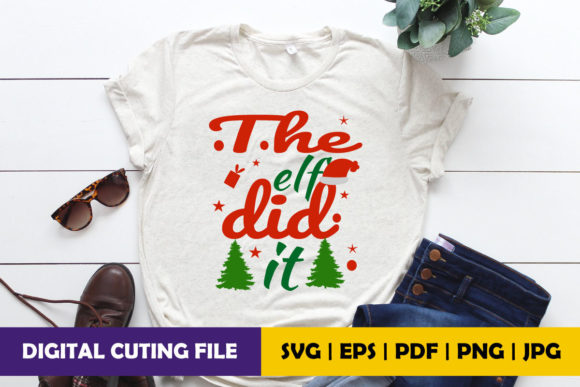
The phrase "The Elf Did It" carries an immediate sense of humor and mischief. In the world of holiday graphics, this kind of playful narrative works exceptionally well because it tells a story before the customer even reads the tag. Visually, the design likely relies on bold shapes and clear typography to convey that cheeky sentiment. For embroidery, clarity is king. A design that looks good on a screen can sometimes fall apart when stitched, especially if the details become too small or the contrast between elements is lost.
My initial assessment of this design suggests it leans heavily into a fun, lighthearted aesthetic. It feels suited for casual wear rather than formal attire. The mood is festive but not overly traditional. It avoids the heavy, ornate feel of classic Christmas art, which makes it versatile. You can imagine this appearing on a cozy sweatshirt during a family gathering or as a humorous addition to a kitchen towel set. The visual personality is approachable, which is exactly what drives engagement in handmade goods today.
Real-World Application: Where This Design Shines
I have tested numerous holiday designs on various substrates, and The Elf Did It seems to have strong potential for several specific use cases. Let’s look at how it performs in real-life scenarios.
- Custom Apparel: This design would work beautifully on crewneck sweatshirts or heavy cotton t-shirts. The humor pairs well with comfortable, everyday fabrics. When stitching on knit fabrics, you want to ensure your stabilizer is robust enough to prevent puckering, especially if the text has large fill areas.
- Tote Bags and Market Totes: Canvas bags are a staple for craft businesses. A playful elf quote adds character to a utilitarian item. Because canvas has a distinct texture, the thread needs to stand out. Using high-contrast thread colors here is essential to maintain legibility.
- Kitchen and Home Decor: Tea towels, aprons, and pillow covers are excellent candidates for this type of graphic. These items are frequently washed, so the durability of the stitches matters. The design’s likely straightforward layout means it won’t trap lint or debris easily, keeping the product looking fresh longer.
- Baby and Nursery Items: While the humor might be lost on a newborn, parents love buying funny gifts for themselves or other adults. However, if adapted for baby blankets or burp cloths, the tone might need to be softer. But for a "Santa's Helper" themed gift set, this fits perfectly.
Technical Considerations and Stitch Performance
As an experienced reviewer, I always think about the mechanics of the stitch. How does The Elf Did It behave under the needle? Most text-based or simple graphic designs rely on a combination of satin stitches for outlines and fill stitches for solid areas. If the design includes intricate details, those tiny sections must be evaluated carefully.
One of the biggest risks in embroidery is stitch density. If the design is too dense, the fabric will pucker, and the hoop marks may be difficult to remove. Conversely, if it is too sparse, the fabric might show through, ruining the professional finish. Before committing to a production run, I strongly advise testing this machine embroidery design on scrap fabric that matches your final product. Check the thread colors against the fabric background. On dark fabrics, you may need to add a cut-away stabilizer or a top tear-away to support the stitches and prevent the fabric from distorting.
Another technical note involves the font style. If the lettering in The Elf Did It uses thin lines or sharp corners, these areas can be prone to breaking or fraying over time. Satin stitches on sharp angles can create a "V" shape that catches on things. Ensuring the design has adequate underlay stitches will help keep the fabric flat and the threads secure.
Where to Be Cautious
Not every surface is created equal. There are certain situations where this design might struggle:
- Small Hoop Sizes: If you are trying to fit this design onto a small patch or a child’s hat, ensure the dimensions allow for all the necessary detail. Tiny lettering becomes illegible quickly in embroidery.
- Textured Fabrics: While canvas is great, highly textured fabrics like bouclé or thick fleece can hide the intricacies of the design. The thread might get lost in the weave.
- Stretchy Materials: Leggings or thin jersey knits require careful handling. Without proper stabilization, the elastic nature of the fabric can cause the embroidery to warp after washing.
- Curved Surfaces: Caps and hats present a challenge. The design must be digitized specifically for curved surfaces to avoid distortion. A standard flat design placed on a cap brim may look skewed.
Impact on Product Value and Branding
For small business owners and Etsy sellers, the perceived value of a product is directly linked to the quality of the presentation. A well-executed embroidery project signals professionalism. When a customer sees The Elf Did It stitched cleanly on a high-quality tote bag or sweatshirt, they trust the craftsmanship. This builds brand consistency and encourages repeat purchases.
The design also enhances giftability. Holiday gifts often benefit from a personal touch. Adding a name alongside "The Elf Did It" creates a personalized gift that feels unique. This emotional connection increases the likelihood of positive reviews and word-of-mouth referrals. Furthermore, using a trendy, humorous design helps your shop stay relevant in a crowded market. It shows you understand current cultural moments and consumer tastes.
Practical Designer Notes for Success
To get the best results from this graphic, follow these practical steps:
- Test First: Always run a test stitch on scrap fabric. Check for tension issues, color blending, and overall balance.
- Check Licensing: Before selling finished items or using this as part of a commercial embroidery package, verify the license terms. Ensure you have the right to sell physical products made from the digital file.
- Use Proper Stabilizer: Match your stabilizer to your fabric weight. Heavy fabrics need heavy stabilizers; light fabrics need lightweight ones to avoid bulk.
- Inspect Small Details: Zoom in on the digital preview. Are there any tiny elements that might break during stitching? Simplify if necessary.
- Compare Backgrounds: View the design on both light and dark backgrounds digitally. This helps you choose the best thread colors for maximum contrast.
- Black and White Mockups: Convert the design to black and white to check its structural integrity. If it loses impact without color, the shape and layout are strong.
In conclusion, The Elf Did It offers a charming, humorous option for holiday-themed projects. Its versatility allows it to shine on apparel, home decor, and accessories. By paying attention to technical details like stitch density, stabilizer choice, and fabric compatibility, you can transform this digital graphic into a high-quality, profitable handmade product. Whether you are updating your Etsy listings or creating custom gifts for friends, this design provides a solid foundation for creative expression and commercial success.