Grandma Embroidery Design Review
In the world of handmade goods, few sentiments hit as hard as family. As a designer who has spent years evaluating digital assets for real-world application, I look past the cute factor and ask one critical question: Will this stitch well? Today, I am putting the Who Needs when You Have Grandma graphic through its paces. This isn't just about aesthetics; it is about how a design translates from a screen to thread, and whether it holds up under the scrutiny of a craft fair or an Etsy listing.
First Impressions and Visual Personality
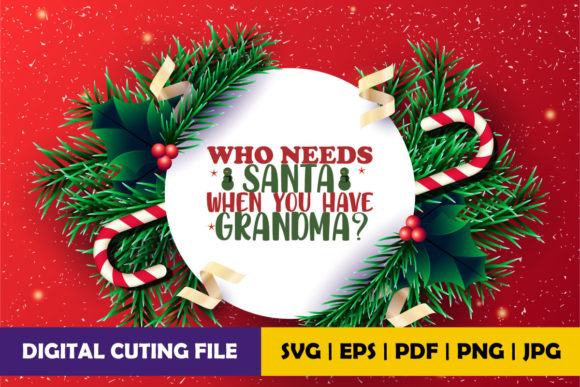
When you first load the Who Needs when You Have Grandma file, the immediate takeaway is its warmth. The typography feels nostalgic yet modern, striking a balance that appeals to multiple generations. For a machine embroidery design, the visual weight is crucial. If the text is too thin, it risks breaking during high-speed stitching. If it is too bold, it can overwhelm the fabric texture. This particular embroidery file seems to land in a sweet spot, offering enough presence to be readable from a distance while maintaining a delicate, heartfelt vibe.
The layout suggests a casual, conversational tone. It is not stiff or formal. This makes it an ideal candidate for custom apparel where comfort and personality are key. Whether you are designing for a matriarch’s birthday or a Mother’s Day gift, the mood here is supportive and loving. It creates an instant emotional connection before the customer even touches the finished product.
Real-World Application Scenarios
Let’s talk about where this design actually lives. I recently envisioned using this asset for a batch of personalized aprons for a local bakery owner who wanted to gift them to her staff. The phrase "Who Needs when You Have Grandma" fits perfectly into a kitchen setting—warm, domestic, and proud. However, I also see immense potential in sweatshirt embroidery for autumn seasons. The cozy nature of the font pairs beautifully with heavy cotton blends.
For the Etsy seller or small shop product creator, versatility is money. This design is not limited to one niche. Consider these practical applications:
- Tote Bag Design: A canvas tote with this embroidered on the front pocket offers a chic, everyday carry item that doubles as a conversation starter.
- Baby Embroidery: Small hoop sizes work wonders here. Placing a simplified version on a burp cloth or baby oneset taps into the gift market for new grandparents.
- Holiday Embroidery: During Q4, this design becomes a top-tier gift idea. It moves beyond standard holiday motifs and offers a personal touch that generic store-bought items lack.
- Embroidered Patch: Adding a border and converting this to a patch allows for use on denim jackets or backpacks, expanding your design assets inventory.
The key here is recognizing that this is more than just a graphic; it is a finished product waiting for context. When you present this in a printable mockup, ensure you show it on textured fabrics like linen or heavy cotton to give buyers a realistic expectation of the final look.
Technical Performance and Stitch Clarity
As a reviewer, I must address the mechanics. How does Who Needs when You Have Grandma behave under the needle? Typography in embroidery relies heavily on satin stitch quality. If the letters are narrow, they may require a higher stitch density to prevent the backing from showing through. Conversely, if the design includes decorative elements, we need to look at fill stitch coverage.
One area to watch is small lettering. If the original graphic contains fine details or tiny script, you may need to adjust the scale in your embroidery software. Tiny details often get lost or become jagged when stitched. My advice is to inspect the vector paths carefully. If the curves are smooth, the running stitch accents (if any) will lay flat and clean. However, if there are sharp angles, ensure your machine can handle the tension changes without puckering the fabric.
Thread color selection is paramount. On dark fabrics, you might need a stabilizer layer underneath to prevent the dark background from bleeding through light threads. On light fabrics, you have more freedom, but contrast remains king. A navy thread on white fabric will pop significantly more than a gray thread, ensuring the message is legible. Always test your thread colors against your actual fabric swatch before committing to a large production run.
Where to Use With Caution
No design is perfect for every surface. There are specific scenarios where Who Needs when You Have Grandma might struggle:
- Stretchy Fabrics: Jersey knits can distort dense embroidery. If you use this on a t-shirt, ensure you are using a strong cut-away stabilizer to maintain shape after washing.
- Curved Surfaces: While caps are popular, complex text can warp around the curve. Flat surfaces like pillow covers or flat-fronted tote bags are safer bets for preserving the integrity of the lettering.
- Small Hoop Sizes: If you are trying to cram this design into a 4x4 hoop, you risk losing detail. Ensure your hoop size accommodates the full width of the text without excessive trimming.
- Textured Fabrics: Bouclé or rough tweed can hide stitches. Stick to smoother fabrics like cotton, linen, or microfiber for the best clarity.
Impact on Brand and Customer Trust
For the craft business owner, presentation is everything. A well-executed embroidery project signals professionalism. When a customer sees that the lines of Who Needs when You Have Grandma are straight, the tension is even, and the edges are clean, their trust in your brand increases. They perceive the item as high-value and worth the price point.
Conversely, sloppy stitching can undermine even the best design. This is why testing is non-negotiable. Before you list this as a commercial embroidery item, produce a sample. Wash it. Dry it. Does the design shrink? Do the threads pill? These questions protect your reputation. A personalized gift is meant to last, and your customers expect durability.
Furthermore, this design enhances handmade presentation. It tells a story. In a sea of mass-produced goods, a shirt that says "Who Needs when You Have Grandma" connects on an emotional level. It is shareable content. Customers are likely to post photos of their new gear on social media, providing free marketing for your shop. That organic engagement is invaluable for any creative entrepreneur.
Practical Designer Notes for Success
To ensure your project with Who Needs when You Have Grandma is a success, follow these steps:
- Test on Scrap Fabric: Never go straight to the final garment. Use a scrap piece of the same material to check tension and alignment.
- Check Black and White Mockups: Convert your design to grayscale to ensure the contrast between the thread and fabric is sufficient.
- Confirm Licensing: Before selling finished items, verify the license terms of the digital file. Most graphics allow for commercial use of physical products, but reselling the digital file itself is usually prohibited.
- Use Proper Stabilizer: Match your stabilizer to your fabric weight. Heavy fabrics need heavy stabilizers; light fabrics need tear-away or wash-away options to avoid bulk.
- Inspect Details: Zoom in on your software. Are there any overlapping paths that might cause the machine to jump unnecessarily? Clean up the file if needed.
Ultimately, Who Needs when You Have Grandma is a strong contender for anyone looking to add heart to their embroidery project. It balances sentiment with style, making it versatile for gifts, boutique branding, or personal wear. By paying attention to the technical details—from stitch density to fabric choice—you can transform this simple graphic into a cherished keepsake that stands out in the crowded marketplace of handmade goods.